April 23, 2026
Landscaping does more than improve appearance. It shapes how an outdoor space functions, how a property feels, and how much value it can add over time. A thoughtfully planned yard can improve curb appeal, support drainage, create usable gathering areas, and make ongoing maintenance easier. These benefits are easier to achieve when the work is guided by experience rather than guesswork. Hiring a skilled landscaping contractor gives homeowners access to planning insight, material knowledge, and reliable execution that help turn ideas into a finished space built to last.
Project Planning
Every successful landscape begins with a clear plan. Before plants are installed or hardscape materials are delivered, the property needs to be evaluated for slope, soil condition, drainage patterns, sun exposure, and how the space will be used each day. A qualified professional helps organize these details into a cohesive design that balances beauty with function. This process also helps homeowners avoid rushed decisions that may lead to wasted materials or an awkward layout later. When planning is handled carefully, the finished result feels intentional, practical, and well connected to the home.
Professional Responsibilities
A landscaping contractor handles more than planting shrubs or laying sod. The role often includes design coordination, material selection, grading considerations, irrigation planning, scheduling, and oversight of labor from start to finish. On some projects, this also includes working around permitting issues, utility markings, and drainage corrections that affect long-term performance. These responsibilities require technical knowledge as well as creative judgment. When all moving parts are managed by someone with experience, the project tends to stay more organized and the final installation reflects a much higher standard of quality.
Design Value
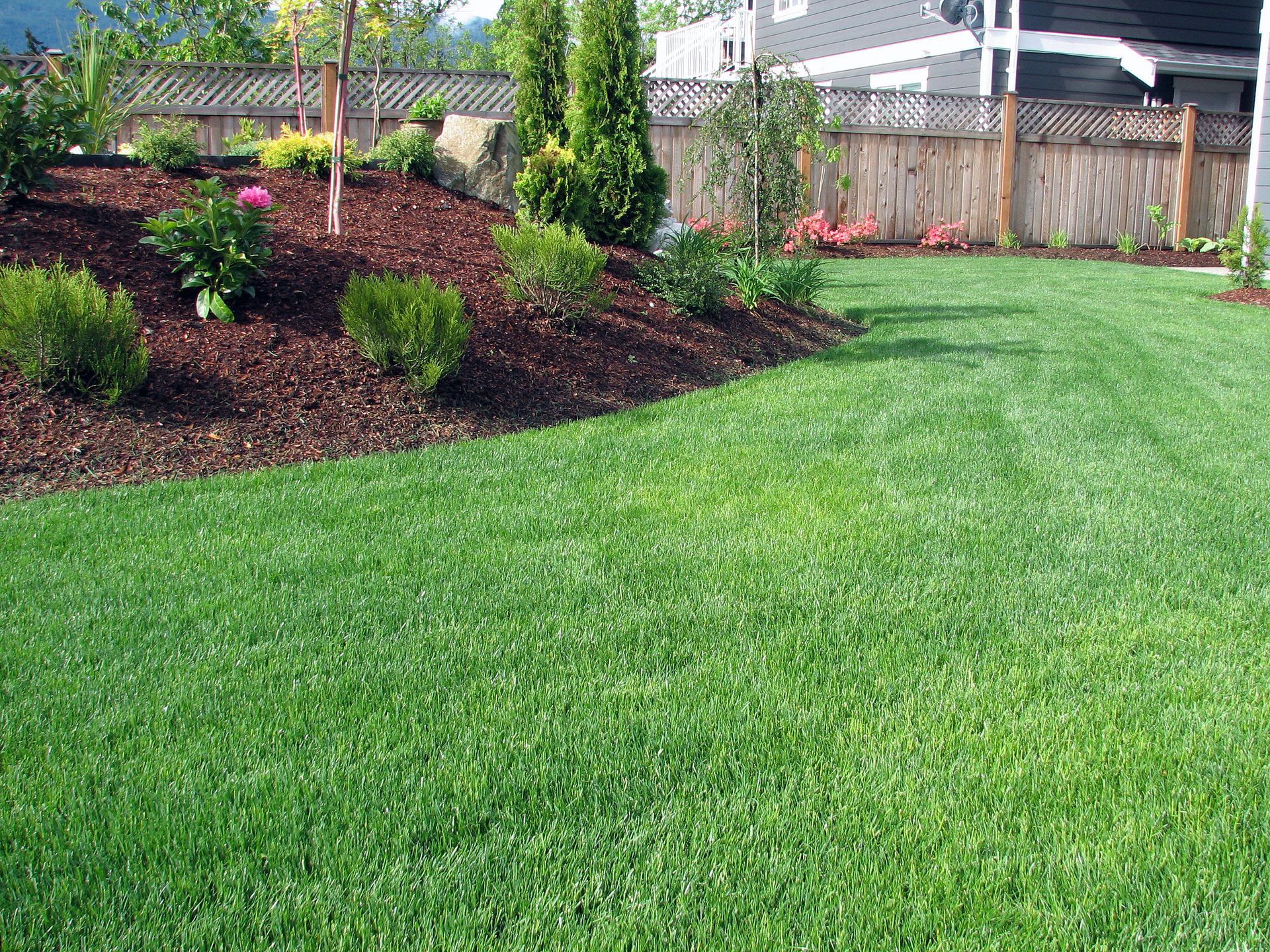
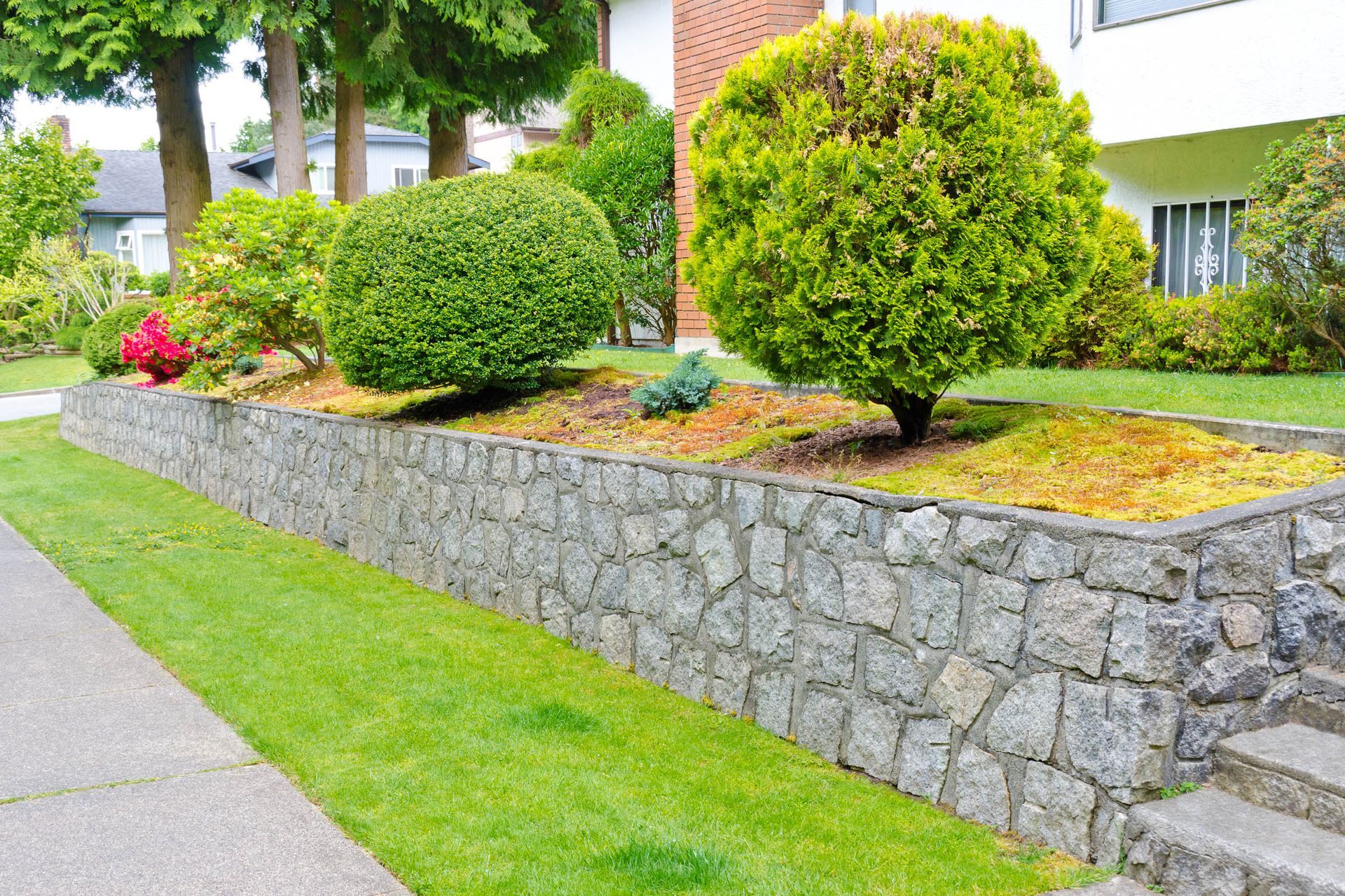
Good landscaping is not just decorative. It creates structure, directs movement, highlights architectural features, and improves the way a property is experienced from the street and from within the yard. Plant groupings, edging, walkways, retaining walls, and lighting all work together to define the space. A professional approach also considers proportion so features do not overwhelm the home or appear too sparse. Strong design choices can make a modest yard feel polished and inviting. They can also transform underused areas into places for entertaining, relaxing, or everyday enjoyment.
Property Appeal
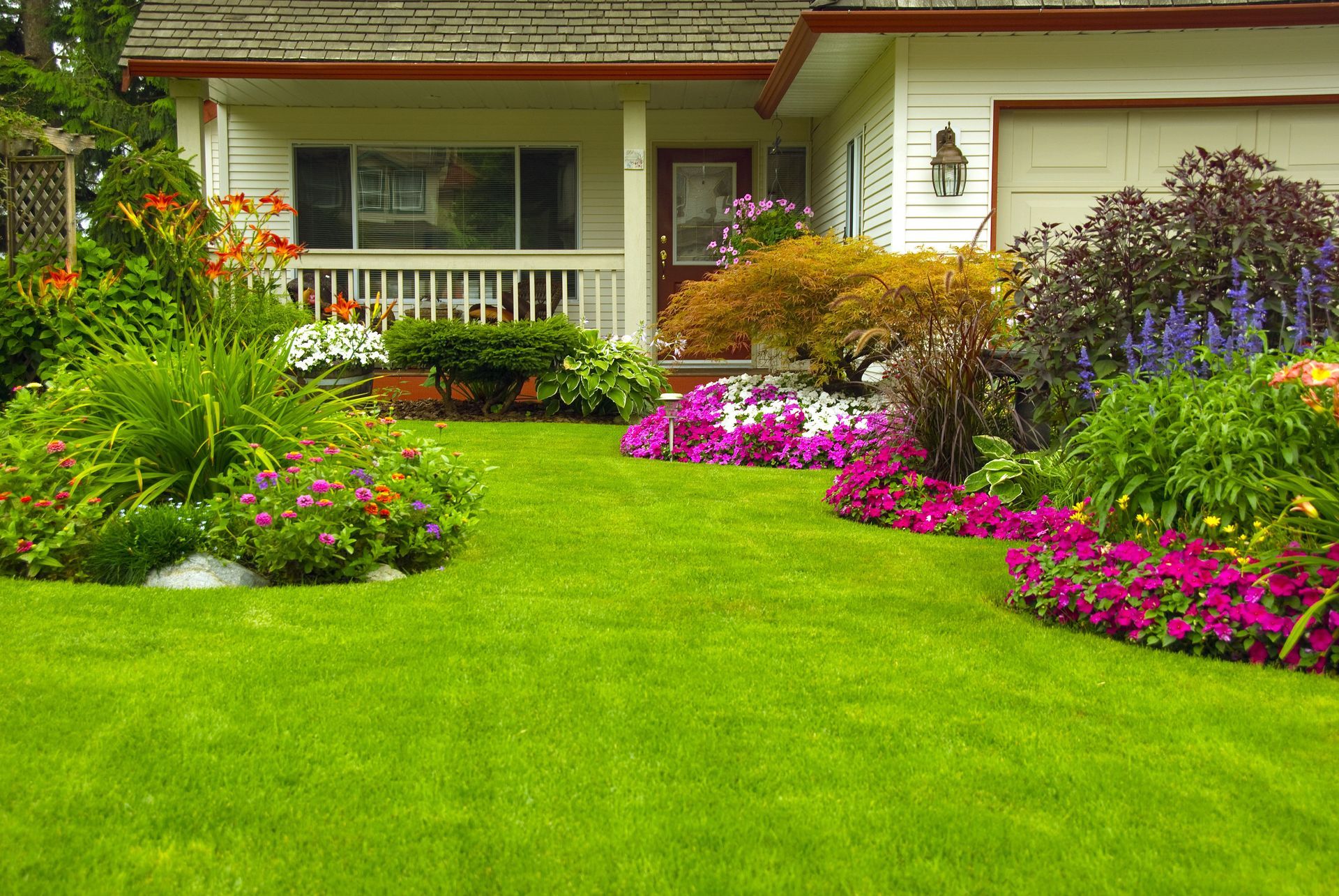
Landscaping can directly influence property value because it affects first impressions and overall livability. A maintained lawn, healthy plantings, and well-designed outdoor features suggest that the property has been cared for consistently. According to HomeGuide, basic lawn maintenance can produce a return exceeding 200%, showing how exterior upkeep contributes to perceived value. A knowledgeable landscaping contractor understands how to prioritize improvements that strengthen both visual appeal and function. That combination matters because buyers and homeowners alike tend to respond best to outdoor spaces that look attractive while serving a practical purpose.
Material Selection
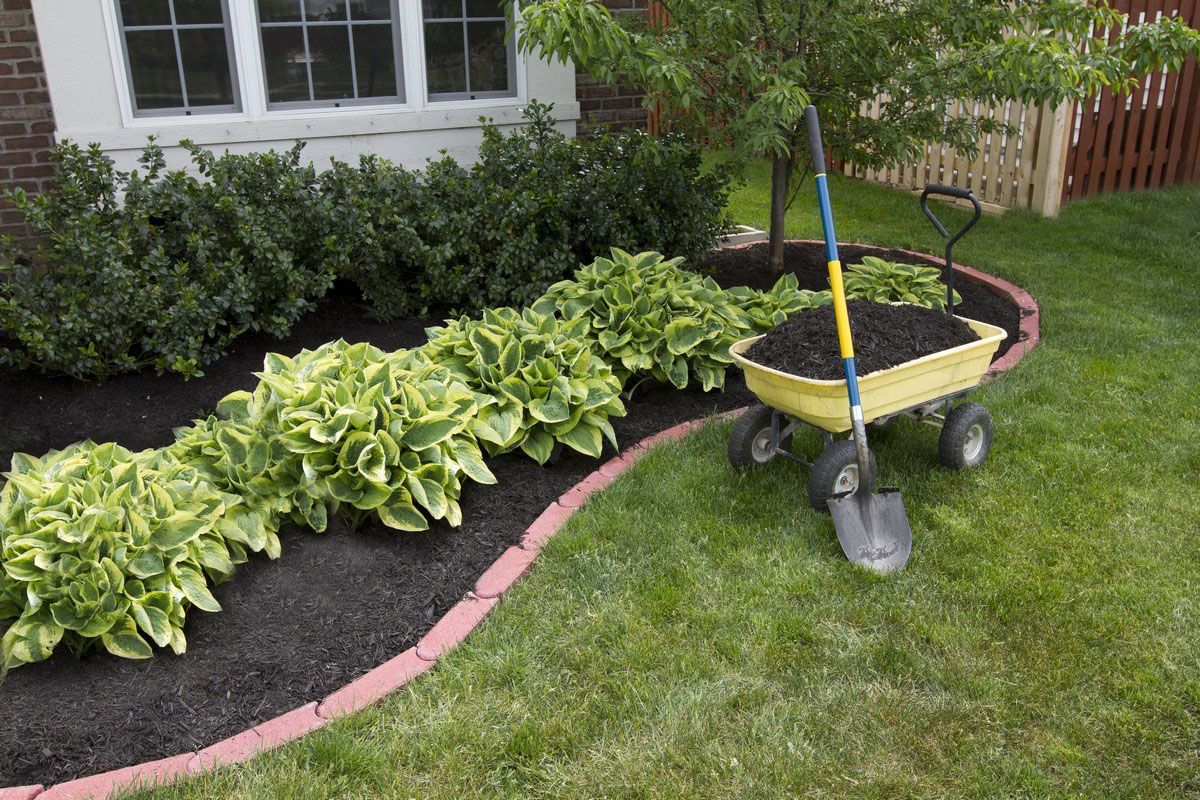
The materials used in a landscape play a major role in how the project performs over time. Pavers, stone, mulch, edging, gravel, lighting components, and irrigation parts all need to suit the environment and the intended level of use. Choosing the wrong products can lead to staining, shifting, cracking, drainage issues, or higher maintenance demands. Experienced professionals understand which materials hold up better in certain climates and which options align with a homeowner’s goals and budget. Better choices at the beginning often reduce future repair costs and help the landscape retain its appearance longer.
Sustainability Practices
Sustainable landscaping has become increasingly important because homeowners want outdoor spaces that look good without wasting water or requiring constant replacement. Smart plant selection, efficient irrigation, and the use of durable regional materials can reduce maintenance while supporting healthier growth. Native or climate-appropriate plantings often perform more reliably because they are better suited to local conditions. A skilled landscaping contractor can recommend practical ways to lower water use, improve soil health, and manage runoff while still achieving an appealing design. These choices support both environmental responsibility and long-term value.
Budget Control
Cost is one of the biggest concerns in any exterior improvement project, but experienced planning helps prevent a budget from getting out of control. Clear estimates, realistic timelines, and transparent material allowances make it easier for homeowners to understand where money is being spent. Professionals can also explain where it makes sense to invest more and where simpler alternatives may still perform well. Without that guidance, homeowners may overspend on features that offer little benefit or underestimate hidden site needs. Careful budget management keeps the project grounded and reduces financial surprises.
Mistake Prevention
Many landscaping problems begin with small decisions that seem harmless at first. Poor grading can create water problems near the foundation. Incorrect plant placement can block views, crowd walkways, or lead to unhealthy growth. Low-quality installation can result in settling patios, failing retaining walls, or irrigation systems that waste water. Hiring a landscaping contractor with strong technical knowledge helps prevent those issues before they become expensive corrections. Preventing mistakes is often one of the greatest values a professional brings, because repairs usually cost more than doing the work properly the first time.
Communication Standards
Strong communication is one of the clearest signs of a quality contractor. Homeowners should know what work is being done, when crews will arrive, what materials are being used, and how unexpected changes will be handled. Consistent updates build trust and make the process far less stressful. They also create opportunities to address concerns before they grow into larger problems. A dependable landscaping contractor listens carefully, explains recommendations clearly, and keeps the project aligned with the original vision. Good communication improves both the working relationship and the final outcome.
Credential Review
Checking credentials is an important part of choosing who to hire. Licensing, insurance, and certifications can help verify that the contractor meets professional requirements and is prepared to operate responsibly. Homeowners should also review portfolios, ask about past project types, and request references when possible. Seeing previous work provides insight into style, workmanship, and consistency. It can also reveal whether the contractor has handled projects similar in scale or complexity. A careful review process reduces uncertainty and helps homeowners make a more informed decision before any contract is signed.
Contract Protection
A thorough contract protects both the homeowner and the contractor by clearly outlining the scope of work, payment schedule, materials, timeline, and procedures for changes. Without that level of detail, misunderstandings are much more likely. Written agreements help define expectations and give both sides a reference point throughout the job. This is especially important on larger projects that include multiple phases or custom features. Clear documentation makes the process smoother and helps keep quality standards in place. It also reinforces accountability from the first day of the project to the final walkthrough.
Long-Term Performance
The real measure of a successful landscape is how well it performs after installation. A beautiful project should still function properly through changing seasons, regular use, and routine maintenance. That means drainage should continue to work, hardscape surfaces should remain stable, and plantings should have the space and conditions needed to thrive. A reliable landscaping contractor plans with longevity in mind instead of focusing only on the appearance of the finished day-one reveal. That long-term thinking helps create an outdoor space that remains attractive, useful, and easier to maintain for years.
Choosing the right professional can make the difference between a landscape that simply looks acceptable and one that truly improves the property. Quality work combines design skill, technical knowledge, careful planning, and dependable communication. Homeowners who take time to evaluate experience, credentials, references, and contract terms are more likely to end up with a smooth process and a better result. When the project is led by a trusted landscaping contractor, the outdoor space is more likely to deliver lasting beauty, stronger function, and meaningful value that continues well beyond installation. Contact our team at Green Earth Gardens today and learn more about our landscaping services.